How to Brew the Perfect Cup of Darjeeling First Flush
Darjeeling first flush, harvested in early spring in the Darjeeling region of India, is renowned for its delicate floral aroma and light body. This tea is highly sought after by connoisseurs for its nuanced profile. Achieving its characteristic cup requires careful control of several brewing variables. This article provides an overview of the key parameters that influence the flavor, including water temperature, steeping time, leaf quantity, and vessel choice.
Unlike stronger black teas, Darjeeling first flush is sensitive to high temperatures and prolonged infusion. The leaves are typically less oxidized, preserving their greenish hue and subtle floral notes. By understanding how each variable affects extraction, one can work toward a cup that highlights the tea’s delicate character without introducing bitterness or astringency.
The following sections discuss each aspect in detail, offering a framework for consistent results. While individual tastes vary, these parameters provide a useful starting point for experimentation.
Understanding Darjeeling First Flush
Darjeeling first flush refers to the first harvest of the tea season, usually from late February to April. The young leaves, often with two leaves and a bud, are processed with minimal oxidation. This results in a light, aromatic tea with floral, muscatel, and sometimes grassy notes. The character of this tea differs significantly from later flushes, which are more robust and darker in color. Because of its delicate nature, the brewing method must avoid harsh extraction that could overwhelm its subtle flavors. The leaves are often whole, curled, and slightly fuzzy, indicating high quality. When brewed correctly, the liquor is pale golden and carries a distinctive bouquet. This tea is typically enjoyed without milk or sweeteners to fully appreciate its profile.
Water Temperature and Quality
Water temperature is a critical factor when brewing Darjeeling first flush. Boiling water at 212°F (100°C) can scorch the delicate leaves, leading to a bitter, astringent cup. A common recommendation is to use water heated to around 175–185°F (80–85°C). This temperature range allows the leaves to unfurl and release their aromatic compounds without extracting excessive tannins. To achieve this temperature, one can bring water to a boil and then let it cool for approximately one minute, or use a temperature-controlled kettle. Water quality also plays a role. Filtered or spring water with low mineral content often produces a cleaner flavor. Tap water with high chlorine, heavy minerals, or off-flavors may impart undesirable notes. The goal is to provide a neutral medium for the tea’s own characteristics to emerge. Some tea drinkers also consider the oxygen content in water, as boiling depletes oxygen, so using water that has just reached the desired temperature rather than reboiling may be beneficial.
Steeping Time and Leaf to Water Ratio
The steeping time for Darjeeling first flush generally falls between two and three minutes. Shorter times may yield a very light infusion that lacks depth, while longer steeping can lead to excessive bitterness and a drying sensation. Many enthusiasts begin with two and a half minutes and adjust based on their taste preferences. The amount of leaves used per cup also influences the final strength. A standard guideline is approximately two to three grams of leaves per six to eight ounces of water. Using a kitchen scale can help achieve consistency, but a heaping teaspoon per cup is a rough equivalent. It is important to note that the leaf-to-water ratio can be adjusted to suit personal preference. Increasing the leaves without extending steep time can intensify flavor without bitterness, while using fewer leaves and a longer steep may produce a thinner, more astringent cup. Experimentation within these parameters allows one to discover the balance that best highlights the tea’s floral notes.
Choosing a Brewing Vessel and Preparing the Pot
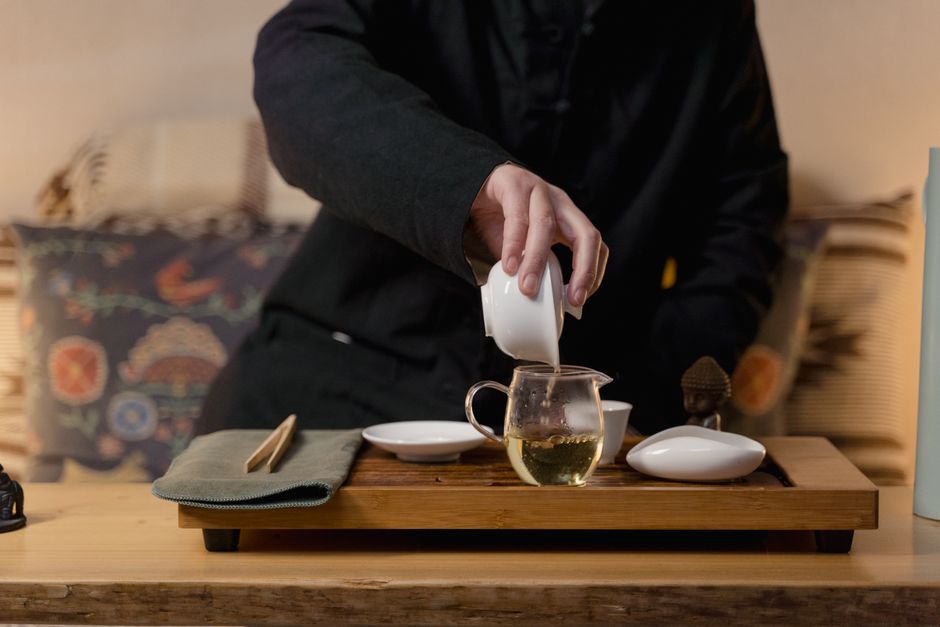
The choice of teapot or brewing vessel affects heat retention and the infusion process. Porcelain, ceramic, or glass teapots are often preferred because they do not absorb flavors and allow observation of the leaves. Preheating the vessel with hot water helps maintain a stable temperature during steeping. To preheat, simply fill the pot with hot water, let it sit for a minute, then discard the water before adding leaves and brewing water. Metal teapots, especially those made of aluminum or iron, may impart metallic notes or cool down too quickly. Plastic vessels can affect the aroma and are generally not recommended. Using a lid during steeping minimizes heat loss. After the desired steeping time, the tea should be poured completely into cups or a serving pitcher to prevent over-extraction. If using a glass teapot, one can watch the leaves unfurl, which adds to the experience. Some tea drinkers prefer a gaiwan for smaller servings, as it offers precise control over steeping.
Serving and Experiencing Multiple Infusions
Once the tea is poured, its appearance and aroma offer clues about the brewing process. The liquor should be a pale to medium gold, clear and bright. The fragrance is floral, with hints of fresh grass or honey. The taste is light, with a slight astringency that provides structure without dominating. Darjeeling first flush is typically served without milk or sugar, as these additions may mask its delicate nuances. Some prefer to drink it plain, noting the finish. This tea can also be enjoyed over multiple infusions. The first infusion usually provides the most floral character. For subsequent steeps, the leaves may require slightly hotter water (around 185°F) or a longer steep time to extract remaining flavors. The number of infusions depends on the quality of the leaves, with good grades yielding two to three flavorful cups. Each infusion offers a slightly different profile, making the experience a journey of subtle changes.